Juvenile Crime in Florida: Severity, Prosecution, and Consequences
Any minor who commits a criminal offense can be charged with a juvenile crime in the state of Florida. The extent and severity of criminal charges vary case per case, but will normally depend upon the defendant’s prior criminal record, if the defendant has committed prior crimes, or if the offender caused another person to sustain bodily harm. Even though the juvenile is a minor, he/she may be prosecuted through the adult legal system if his/her criminal charges are substantial. The maximum age to be sent to juvenile court is 17 years old. There is no minimum age.
What is a Juvenile Crime?
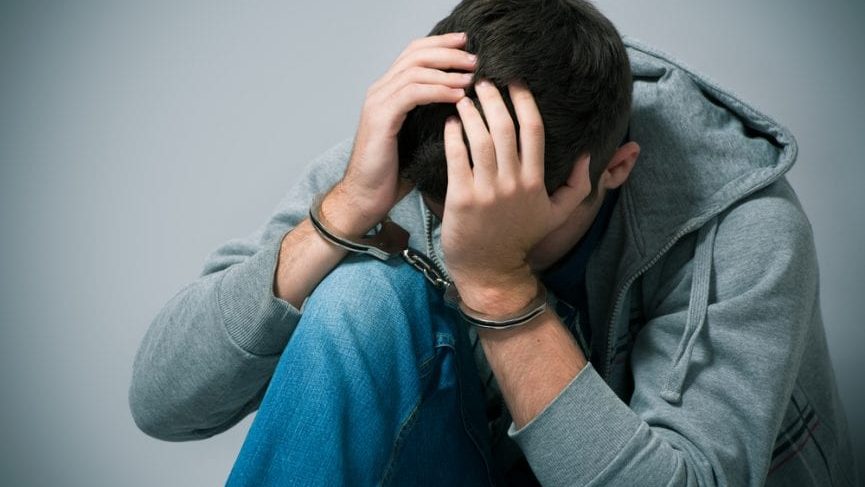
A juvenile crime is any criminal act that is committed by a minor (person below the legal age of 18). Juvenile crimes range in severity, from misdemeanors to felonies, but should always be taken seriously by the parents involved. Once a young person has been charged with a juvenile crime, he/she will have to go through the Florida legal system, which can be harsh. This is especially true in cases involving sex crime, drug crimes, or violent crimes.
What are common Juvenile Crime Offenses?
Common juvenile offenses include: theft, alcohol offenses, larceny, drug offenses, disturbing the peace, vandalism, assault, robbery, criminal trespass, harassment, fraud, burglary, loitering, possession of stolen property, possession of weapons and crimes committed on behalf of gangs.
Some juvenile offenses can carry lifelong registration consequences or may add sentencing enhancements such as strikes that can affect the minor for the rest of his or her life. This applies for offenses such as sex crimes.
What is a “Status Offense”?
A status offense occurs when the violation of law only applies to a minor. For example, consuming alcohol is legal in Florida for adults over 21 years of age, the same can not be said for minors. Drinking alcohol would be an act that is considered a violation of law only because the person accused of the conduct is a juvenile.
Some status offenses include: possession of alcohol, possession of cigarettes or tobacco products, skipping school (truancy), violating local curfew hours and driving with any measurable amount of blood alcohol. Unlike the legal limit for adults which is set at 0.08% BAC, the legal driving limit for minors is 0.02% BAC. Visit our DUI page to estimate your BAC and learn more about DUIs.
What is the curfew in Florida?
The curfew in Florida for minors age 16 and under prohibits them to be out in public places or establishments between 11:00 p.m. and 5:00 a.m., Sundays through Thursdays except in the case of legal holidays. If a minor is suspended from school, they are also not allowed at public places between 9:00 a.m. and 2:00 p.m.
There are also legal curfews for minors with a drivers license. If you are with a 21 year old or older licensed driver or are driving to and from work, you are expected from the following curfews:
• 16 Years: No 11:00 p.m. to 6:00 a.m. Driving.
• 17 Years: No 1:00 a.m to 5:00 a.m. Driving.
Can a minor be charged as an adult?
Yes. If the minor at least 16 years old is accused of a felony, they may be prosecuted as an adult court. If the juvenile defendant commits a misdemeanor, they may face the charges of an adult if they have two or more juvenile delinquent adjudications or at least one felony adjudication. If you or your child is facing an accusation that will lead to him or her being charged as an adult, please visit our service page to answer further questions and contact Attorney Michael Jones for a free consultation.
What are the consequences of Juvenile Crime?
Juvenile judges often lean towards rehabilitative programs as opposed to confinement. However, a minor can be sent to a juvenile detention facility or even an adult prison in more serious cases. Once a person is convicted of a juvenile crime in South Florida, he/she can be punished with:
» time in a juvenile detention facility
» fines
» community service
» mandatory counseling
» restitution
» house arrest
» removal from parents house
» placement in foster care
The Law Office of Michael E. Jones is a South Florida criminal defense firm servicing clients throughout Broward, Miami-Dade and Palm Beach counties. Criminal defense attorney, Michael E. Jones, is devoted to helping his clients contest their juvenile crime charges. As a committed solo practitioner, Mr. Jones strives to give each of his clients the attention and counsel they need to be successful with their juvenile crime matters. He will always go the extra mile for his clients and their criminal cases.
If you have been charged with a sex crime in South Florida, call or contact the Law Office of Michael E. Jones today for your free initial consultation at (954) 764-2060.
With over 30 years of experience and thousands of successful cases under his belt, Michael Jones will be there for you throughout the entire process, fighting for you until the very end. At the Law Office of Michael E. Jones, we can answer your questions and address your individual concerns. You do not have to go through the criminal process alone.
I can order a copy of your police report and offer you a consultation at no charge.
Available 24/7
 Michael Jones Law